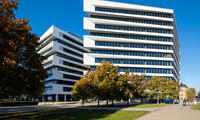
The office markets of Central and Eastern Europe's six largest capitals – Prague, Warsaw, Budapest, Bucharest, Bratislava and Sofia – entered 2026 in a state of transformation. While demand for high-quality office space remains resilient, new office development has slowed to unprecedented levels, creating tightening supply conditions and reinforcing the market's growing preference for modern, sustainable buildings.
According to Colliers' latest CEE-6 Office Market Insights report, total office stock across the six capitals reached 22.1 million sqm by the end of 2025. However, new office completions fell to just over 200,000 sqm during the year – the lowest annual delivery volume ever recorded in the region. Looking ahead, only around 300,000 sqm of new office space is expected to be delivered in 2026, remaining significantly below long-term market averages.
Development Pipeline at Historic Lows
Drawing on insights from senior Colliers office market experts across all six capitals, the report identifies a historically constrained development pipeline as one of the key forces reshaping the market.
Across the region, rising construction costs, stricter financing requirements and increased caution among developers have significantly reduced speculative development activity. New projects increasingly require substantial pre-leasing commitments before construction can proceed, while mixed-use schemes are becoming the preferred development model.
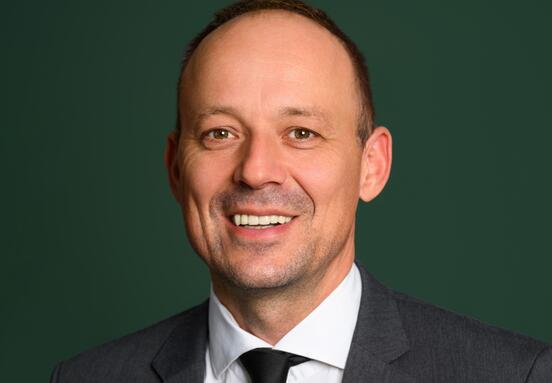
"The CEE office market is not facing a downturn; it is undergoing a structural evolution. The combination of limited new supply, higher development costs and changing tenant expectations is creating a more selective market where quality, sustainability and location are becoming increasingly important differentiators", underlines Josef Stanko, Director | Head of Research at Colliers Czechia.
Occupiers Continue Their Flight to Quality
Average vacancy across the CEE-6 markets declined to approximately 10.5% by the end of 2025, with Prague remaining the region's tightest office market at less than 6% vacancy. Leasing activity remained healthy, reaching 2.63 million sqm during the year, supported primarily by lease renewals and selective relocations into better-quality premises.
Prime rents continued to rise across all six capitals, ranging from approximately €16 per sqm per month in Sofia to around €30 per sqm in Prague.
One of the most notable trends identified by the report is the growing scarcity of modern office space. Vacancy rates in high-quality, centrally located buildings are substantially lower than headline market averages, while older assets increasingly struggle to compete. In several cities, large occupiers now face a much smaller pool of suitable options than in previous years.
A Changing Tenant Base
The report also highlights a significant shift in occupier demand. Historically dominant technology and outsourcing sectors are no longer the primary drivers of office take-up in several markets.
Financial services, professional services and knowledge-intensive business functions are accounting for a growing share of leasing activity, broadening the tenant base and creating demand for premium office environments that support talent attraction, collaboration and corporate branding. In Budapest, the expansion of higher value-added business functions, such as R&D, technology, engineering, and innovation-led business services, is further supporting demand.
The Growing Challenge of Ageing Office Stock
A dedicated chapter of the report examines the growing challenge posed by ageing office buildings across the region. Many properties delivered during the first major development wave of the late 1990s and early 2000s are approaching or exceeding 20 years of age and face increasing pressure to meet modern technical, environmental and workplace standards.
The report highlights successful refurbishment projects across the region that demonstrate the potential value of repositioning older assets. Comprehensive upgrades in cities such as Prague and Warsaw have delivered significant rental growth, improved occupancy levels and enhanced tenant appeal.
However, not all buildings will be suitable for refurbishment. In some locations, owners are increasingly considering alternative uses, including residential, hotel and data centre conversions, particularly where office demand is weaker or refurbishment economics are less favourable.
Outlook: A More Selective Market
Looking ahead, Colliers expects supply conditions to remain constrained, supporting further rental growth and continued tightening in prime office segments. At the same time, sustainability requirements and upcoming regulatory changes are likely to accelerate decision-making around older office assets.
"The gap between buildings that meet modern occupier expectations and those that do not will continue to widen. The most successful landlords and investors will be those who actively adapt their assets and strategies to a market that increasingly rewards quality, flexibility and long-term sustainability," adds Jana Vlková, Director | Head of Workplace Advisory and Office Agency at Colliers Czech Republic.
The full report is based on interviews with Colliers office market specialists across Prague, Warsaw, Budapest, Bucharest, Bratislava and Sofia and provides an in-depth assessment of the trends shaping the future of the CEE office sector.
Download the report from the link below:
https://www.colliers.com/en-hu/research/exceeding-borders-office-2026