
AI is not just another wave of innovation - it is part of one of the most profound shifts in how we live and work in decades. The pace of change is extraordinary, with entire job functions being reshaped in real time and new ones emerging just as quickly. As a result, younger workers are increasingly moving away from traditional linear careers in favour of more agile and diversified “portfolio careers” that combine multiple roles, side hustles and entrepreneurial ventures.
The IWG research suggests a new career model is emerging, where success increasingly depends not only on technical skills, but also on adaptability, entrepreneurial thinking and the ability to work alongside rapidly evolving technologies.
Based on research among Gen Z professionals across the UK, the study shows that 33% already has - or is considering - a side hustle, with nearly half (48%) motivated by the need to earn extra income and achieve greater financial security amid rising living costs, inflation and student debt.
The Rise of Portfolio Careers
Rather than relying on a single employer or role, Gen Z is increasingly building “portfolio careers,” combining multiple income streams to future-proof their work in an uncertain economic and technological landscape. This shift is closely tied to the growing influence of AI, with 55% believing it will reshape their careers. In response, young professionals are proactively developing new skills and diversifying their income sources to stay adaptable as roles continue to evolve.
This trend further reflects a broader shift in the future of work: as AI increasingly handles technical and repeatable tasks, human capabilities - such as creativity, collaboration, adaptability and leadership - become even more valuable. In fact, 90% of HR leaders say failing to prioritise human capabilities is a risk to innovation, with 65% saying AI cannot replicate human empathy and 53% stating leadership remains uniquely human.**
Career mobility driven by earning power
Earning potential remains a key driver. Among those who have changed roles in the past three years, 30% say their main motivation was securing a higher salary and 43% changed roles two to three times during this period. However, Gen Z is not simply climbing traditional career ladders. Instead, many are adopting “career lily pads,” which involves strategically moving between roles, industries and projects to increase earning potential and stay ahead of financial commitments such as rent, bills and student loan repayments.
Gen Zs reject the commute
For younger workers, the traditional long commute is increasingly seen as outdated. Many want to work closer to home from professional workspaces using technology that allows them to collaborate, network and build their careers without spending hours travelling each day. 65% of Gen Z say they would be less likely to pursue entrepreneurship or multiple careers if required to commute long distances daily.
Hybrid and flexible working are enabling this shift by giving young professionals greater control over their time. 24% say hybrid work reduces commuting time, freeing up hours they can reinvest in personal projects or additional income streams. 20% say it allows them to test new career paths without leaving their main role, while 21% say it enables collaboration with professionals outside their primary industry.
The move away from long daily commutes is also being reinforced by the next generation entering the workforce. Additional research from IWG shows that three quarters (75%) of Gen Alpha (aged 11–17) say eliminating wasted travel time will be fundamental to how they structure their working day.***
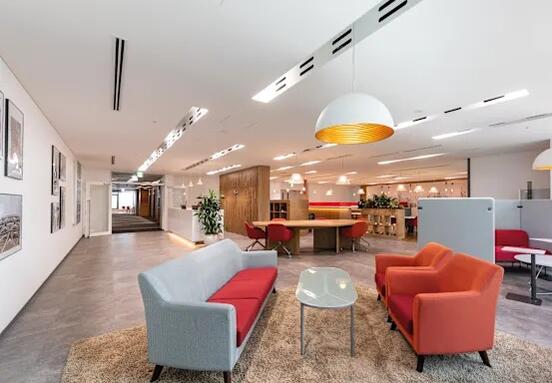
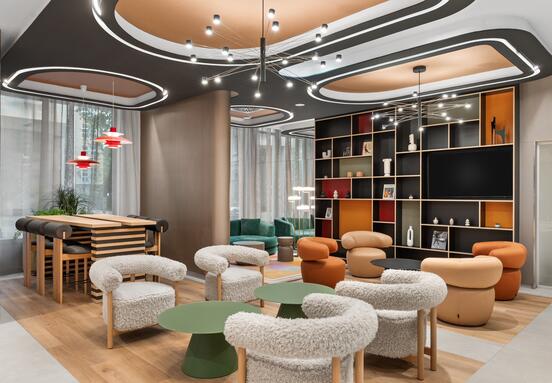
This shift towards working closer to home is leading to the rapid growth in professional local workspaces. International Workplace Group’s added well over 1,100 locations in 2025 and achieved its highest ever revenue, as demand grows for flexible workspaces in suburbs and smaller towns.
, said: “Gen Z is entering the workforce in a time of pivotal change. With AI rapidly reshaping industries and job roles, Gen Z is adapting by developing new skills, building multiple income streams and creating portfolio careers that strengthen their value proposition.
They are an ambitious and hardworking generation, and more flexible ways of working is helping them to unlock greater potential. By reducing long daily commutes and allowing people to work closer to home; it gives young professionals the ability to upskill, collaborate and unlock new opportunities.”